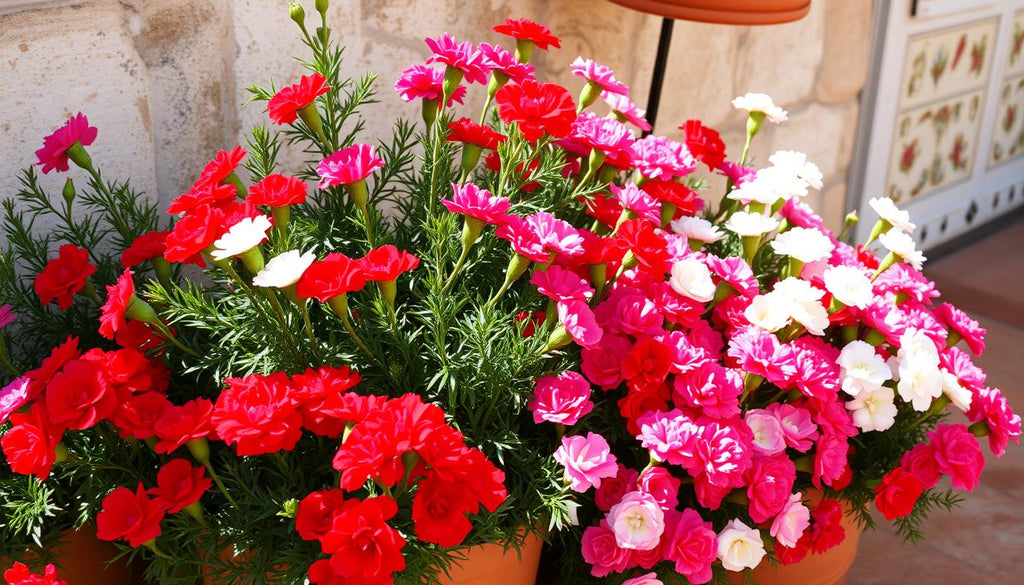
A Guide to Growing Carnations in Pots: Secrets to a Perfect Bloom
Carnations are beautiful and versatile flowers that can add a touch of elegance to any space.
To obtain a lush flowering , it is essential to follow some simple tips.
With our guide, you can create a flowery and welcoming environment. Visit our shop flowers.it to purchase everything you need to grow your carnations.
Key Points
- Discover the secrets to perfect flowering
- Learn how to care for potted carnations
- Buy the necessary products on flowers.it
- Get lush results with just a few simple steps
- Add elegance to your space with carnations
Carnations: Characteristics and Ideal Varieties for Pot Cultivation
To successfully grow carnations in pots, it's essential to understand their characteristics and the most suitable varieties. Carnations come in many varieties, each with its own unique characteristics.
The Main Varieties of Carnations for Vases
The most common varieties for growing in pots are Dianthus caryophyllus and Dianthus chinensis . These plants are known for their beauty and hardiness.
Carnations Dianthus Caryophyllus
Dianthus Caryophyllus is a very popular variety for its lush flowering and bright colors.
Carnations Dianthus Chinensis
Dianthus Chinensis is appreciated for its ability to adapt to different climatic conditions.
Other Recommended Varieties
Other recommended varieties include Dianthus barbatus and Dianthus plumarius , known for their hardiness and beauty.
Characteristics and Requirements of Carnations
Carnations require specific conditions to grow well. The right amount of light and the right temperature are crucial.
Light and Temperature Requirements
Carnations prefer sunny locations and moderate temperatures.
"Light is essential for carnations to bloom."
Life Cycle and Flowering Period
The life cycle of carnations and their flowering period are crucial aspects to consider for successful cultivation.
Advantages of Pot Cultivation
Growing in pots offers many advantages, including the ability to better control growing conditions. Visit our shop at flowers.it to purchase carnations and growing accessories.

Preparing the Pot and Soil: The Foundation for Successful Cultivation
To successfully grow carnations in pots, it's essential to properly prepare the pot and soil. Choosing the right pot and preparing the substrate are crucial steps to ensuring the health and flowering of your plants.
How to Choose the Perfect Vase
Choosing a pot is a crucial step. It's important to consider its size and material .
Recommended Dimensions and Materials
Carnation pots should be deep enough to allow the roots to grow freely. Terracotta or plastic are recommended, as they offer a good balance between drainage and moisture retention.
The Importance of Drainage
Good drainage is essential to prevent waterlogging, which can cause root rot. Make sure the pot has adequate drainage holes .
The Ideal Substrate for Carnations
The substrate used for carnations should be well-drained and rich in nutrients .
Soil Composition
A mixture of garden soil , perlite , and compost can provide a good balance of nutrients and drainage.
pH and Essential Nutrients
Carnations prefer soil with a slightly alkaline pH . It is important to ensure that the substrate is rich in essential nutrients such as nitrogen , phosphorus , and potassium .
Strategic Positioning of the Vessels
Placing pots in a location that receives at least 4-6 hours of direct sunlight a day can significantly improve the growth and flowering of carnations. Additionally, maintaining a certain distance between pots can help prevent the spread of disease.
For more tips and products for growing carnations, visit our shop at flowers.it.

A Guide to Growing Carnations in Pots: Secrets to a Perfect Bloom
To successfully grow carnations in pots, it's essential to understand the sowing and transplanting stages. Sowing and transplanting are crucial for healthy plant growth and abundant flowering.
Sowing and Transplanting Carnations
Carnations can be sown at different times of the year, depending on the variety. It's important to choose the right time to sow and transplant the plants.
When and How to Sow
Carnations should be sown in pots in spring or fall. It's essential to use a well-drained substrate and keep the soil moist until germination.
Effective Transplant Techniques
Transplanting carnations requires care to avoid damaging the roots. It's best to transplant the plants when they've reached a certain height and have developed a good root system.
Growing Techniques to Maximize Flowering
To maximize carnation flowering, you can use various cultivation techniques. These include using supports and stakes to hold the plants, pinching to stimulate shoot growth, and regularly rotating the pots to ensure optimal light exposure.
Supports and Tutors for Robust Plants
Supports and stakes are essential for holding carnation plants and preventing them from bending or breaking under the weight of the flowers.
Pinching Techniques to Stimulate Shoots
Pinching carnations is an important technique for stimulating the growth of lateral shoots and increasing flower production.
Rotation and Optimal Exposure
Regularly rotating pots ensures that plants receive even light exposure, promoting balanced growth.
Annual Growing Calendar
An annual growing calendar helps you plan and monitor the growth of your carnation plants throughout the year. Here's a sample calendar:
| Month | Activity |
|---|---|
| January | Land planning and preparation |
| March | Sowing carnations |
| May | Plant transplantation |
| July | Supporting and pinching plants |
| September | Pot rotation and growth control |
Buy the best products for growing carnations on our shop flowers.it.

Seasonal Care and Maintenance
Seasonal care for potted carnations is essential to ensure their health and flowering. Carnations require different care depending on the season to thrive.
Irrigation: How Much and When to Water
Watering is a crucial aspect of carnation care. The amount and frequency of watering varies depending on the season.
Seasonal Differences in Irrigation
In summer, carnations require more frequent watering due to the heat. In winter, however, watering should be reduced to prevent root rot.
Effective Irrigation Techniques
Using irrigation techniques such as drip irrigation can help reduce water waste and keep the soil evenly moist.
Fertilization for Lush Growth
Regular fertilization is essential to promote healthy growth and abundant flowering of carnations.
Recommended Types of Fertilizers
For carnations, balanced fertilizers rich in nitrogen, phosphorus, and potassium are recommended. These elements support leaf growth, root development, and flower production.
Seasonal Fertilization Program
It's important to follow a seasonal fertilization schedule. In spring and summer, when carnations are in full growth, it's helpful to fertilize regularly. In fall and winter, reduce the frequency of fertilization.
Pruning and Topping to Stimulate Flowering
Pruning and pinching are important practices to stimulate flowering and maintain the shape of carnations.
Correct Pruning Techniques
Carnation pruning should be done by removing dead or damaged branches. This encourages the plant to produce new shoots and flowers.
Removing Wilted Flowers
Regularly removing faded flowers, known as "deadheading," stimulates the plant to produce new flowers, prolonging the flowering period.
For more tips and products for caring for your carnations, visit our shop at flowers.it.
Common Problems and Solutions
Potted carnations can face a variety of challenges, from diseases to pests, which can be managed with the right knowledge. Growing carnations requires attention to detail to maintain their health and beauty.
Carnation Diseases: Prevention and Treatment
Fungal, bacterial, and viral diseases can damage carnations. It's essential to recognize the symptoms so you can intervene promptly.
Fungal Diseases: Recognition and Treatment
Fungal diseases often manifest as leaf spots or rotting stems. Using specific fungicides and improving air circulation around plants can help control the problem.
Bacterial and Viral Diseases
Bacterial diseases can cause rot and lesions, while viral diseases can lead to deformations and stunted growth. Hygiene and the removal of infected parts are crucial.
Parasites: How to Identify and Fight Them
Pests such as aphids and spider mites can be harmful to carnations. It's important to identify them early and use appropriate remedies.
Aphids, Mites and Other Harmful Insects
Aphids feed on plant sap, while mites can damage leaves. Using specific insecticides or natural remedies can help control them.
Natural and Organic Remedies
Natural remedies, such as using neem oil or insecticidal soap, can be effective against pests without harming the environment.
Growth and Flowering Problems
Problems such as yellowing leaves or no flowers can be diagnosed and resolved with the right techniques.
Yellowing Leaves: Causes and Solutions
Yellowing leaves can be caused by nutrient deficiencies or overwatering. Correcting these conditions can help restore plant health.
Absence of Flowers: Diagnosis and Remedies
The absence of flowers may be due to lack of light or inadequate fertilization. Ensuring carnations receive adequate light and using a balanced fertilizer can stimulate flowering.
For more tips and products for caring for your carnations, visit our shop at flowers.it.
Growing Carnations in Pots Successfully
Growing carnations in pots can be a rewarding experience if you follow the right guidelines. By following our guide to growing carnations in pots , you can achieve perfect blooms and enjoy the beauty of these flowers all year round.
To achieve the best results, it's essential to pay attention to detail and consistently care for your plants. Visit our shop on flowers.it to find all the products you need to grow your carnations.
With a little practice and patience, you can create a welcoming, blooming garden that will bring you joy and satisfaction. This guide to growing carnations in pots has provided you with the tools you need to begin your growing journey.
FAQ
What is the best time to sow carnations?
The best time to sow carnations depends on the variety and local climate conditions. Generally, spring and autumn are the best times for sowing.
How can I improve the flowering of my carnations?
To improve carnation flowering, it's important to provide them with the right amount of light, water, and nutrients. Regular pruning and removing faded flowers can also stimulate the production of new flowers.
What are the main diseases that can affect carnations?
Carnations can be susceptible to fungal, bacterial, and viral diseases. Fungal diseases are among the most common and can be prevented and treated with specific fungicides.
How can I protect my carnations from pests?
To protect carnations from pests such as aphids and spider mites, you can use natural and organic remedies, such as introducing natural predators or using essential oils.
What is the best way to fertilize carnations?
Carnations benefit from regular fertilization with a balanced fertilizer. It's important to follow the manufacturer's instructions to avoid overfertilizing.
Can I grow carnations in pots anywhere?
Yes, carnations can be grown in pots anywhere, as long as they receive the right amount of light and are protected from the elements.
How often should I water my potted carnations?
Watering frequency depends on the weather conditions and the type of soil used. In general, it's important to keep the soil moist but not too wet.
What are the advantages of growing carnations in pots?
Growing carnations in pots offers many advantages, including the ability to better control growing conditions and move pots as the plants need them.
Other news
14
Jul

12
Jan
15
Oct
07
Oct

25
Sep
Tutto Sui Fiori