Summer Plants for Beginners: Easy to Grow
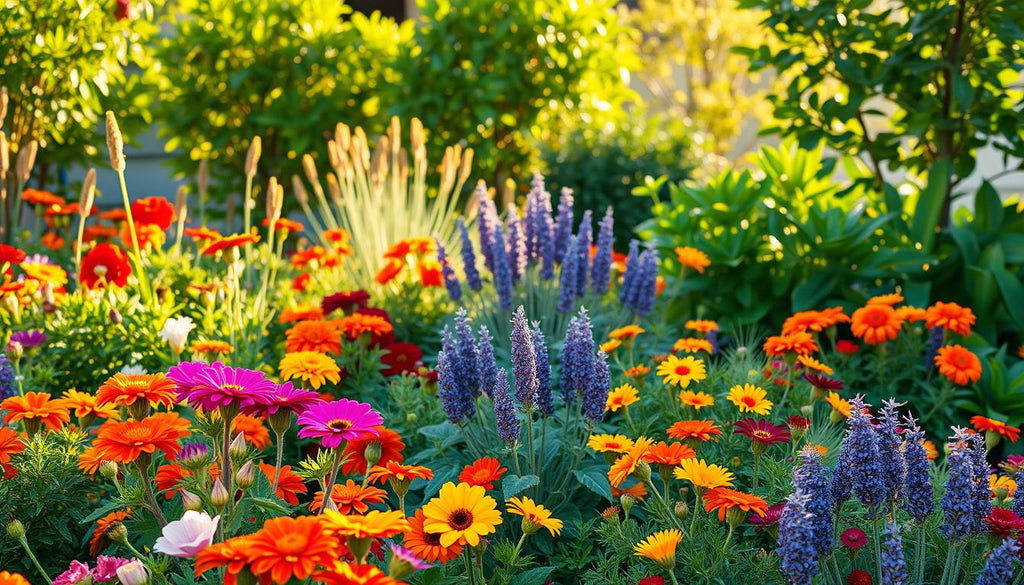
Summer is the perfect time to beautify your garden with vibrant, colorful blooms . If you're a beginner, you might be wondering which summer plants are the easiest to grow. In this guide, we'll explore some of the easiest summer plants to grow , ideal for those just starting out.
Among the plants we'll cover are gazania , dahlia , and dipladenia , all easy to care for and capable of adding a pop of color to your summer garden. With a few practical tips, you can create a vibrant, easy-to-maintain garden.
The Charm of Summer Flowers
Summer flowers are a great way to add a splash of color and life to our outdoor spaces. During the summer season, gardening can be a particularly rewarding experience, as plants are in full bloom and the mild weather allows for more time outdoors.

Why Choose Easy-to-Grow Plants
Choosing easy-to-grow plants is essential for beginners. These plants are generally hardy and require little maintenance, allowing you to enjoy the benefits of gardening without excessive worry.
Easy-to-grow summer plants offer numerous advantages, including the ability to thrive in variable weather conditions and resistance to many common diseases.
Some examples of easy-to-grow summer plants include:
- Gazania
- Dahlia
- Dipladenia
Benefits of Summer Gardening
Summer gardening not only adds beauty to your outdoor space, but also offers numerous health and wellness benefits. Spending time outdoors tending to plants can be a relaxing and rewarding activity.
The benefits of summer gardening include:
| Benefits | Description |
|---|---|
| Air purification | Plants help purify the air, improving the quality of the environment. |
| Habitat for beneficial insects | Summer flowers attract beneficial insects such as bees, which are essential for pollination. |
| Relaxation and stress reduction | Gardening can be a therapeutic activity that helps reduce stress. |
"Gardening is the greatest of arts, because it is the greatest of occupations. It is an occupation that never ends." - Alfred Austin
Summer gardening, therefore, not only enriches your garden with color and life, but also contributes to your overall well-being.
Summer Plants for Beginners: Easy to Grow
For beginners, selecting easy-to-grow summer plants is essential for a healthy, blooming garden. Choosing the right plants can make a big difference in the success of your summer garden.
Characteristics of Ideal Plants for Beginners
Ideal plants for beginners are those that require little maintenance and are resistant to summer weather. These plants are generally hardy and can thrive with minimal care.
Some of the key characteristics include the ability to tolerate direct sunlight, drought resistance, and ease of propagation. Examples of such plants include Gazania, Dahlia, and Dipladenia.

General Conditions for Summer Cultivation
Understanding the general conditions for summer growing is crucial to the success of your garden. Sun exposure and irrigation are two key factors to consider.
Most summer plants prefer full sun, but some can tolerate partial shade. Watering should be regular but not excessive to avoid root rot.
| Plant | Exposure to the Sun | Irrecurrence of irrigation |
|---|---|---|
| Gazania | Full | Moderate |
| Dahlia | Partial/Full | Regular |
| Dipladenia | Full | Moderate |
Necessary Tools and Materials
To successfully grow summer plants, you'll need some basic tools and materials. These include pots , good-quality soil , and fertilizer .
Making sure you have the right tools will make caring for your plants easier and contribute to a thriving summer garden.
Gazania: Color and Resistance
If you're looking for an easy-to-grow plant that will add color to your summer garden, gazania is an excellent choice. This summer plant is known for its heat tolerance and vibrant blooms, which can range from yellow and red to orange and white.

Characteristics and Varieties of Gazania
Gazania is a plant native to Southern Africa, characterized by large, showy flowers. There are several varieties of gazania, each with unique characteristics. Some of the most common varieties include Gazania rigens , known for its bright yellow flowers, and Gazania linearis , which produces yellow or orange flowers.
Gazanias are also known for their ability to close at night or under overcast conditions, only to reopen when the sun shines again. This characteristic makes them particularly suitable for sunny climates.
How to Grow and Care for Gazania
To successfully grow gazania, it's essential to choose a sunny location, as these plants require plenty of light to flower abundantly. The soil should be well-drained, as gazanias do not tolerate waterlogging.
Gazania is relatively easy to care for. It requires regular watering during the growing season, but it's important not to overwater to avoid root rot. A light fertilization during the spring can help promote abundant flowering.
| Advice | Description |
|---|---|
| Exposure | Full sun |
| Watering | Regular, avoid stagnation |
| Fertilization | Light in spring |
Common Problems and Solutions
One of the most common problems in growing gazania is root rot, caused by excessive moisture. To solve this problem, simply improve soil drainage and reduce watering.
Another problem can be aphids and other harmful insects. Using natural insecticides can help control these infestations without harming the plant.
Gazania is a versatile and easy-to-grow summer plant, perfect for adding a pop of color to your garden. By following the cultivation and care tips, you can enjoy abundant and continuous blooms all summer long.
The Dahlia: Elegance in the Garden
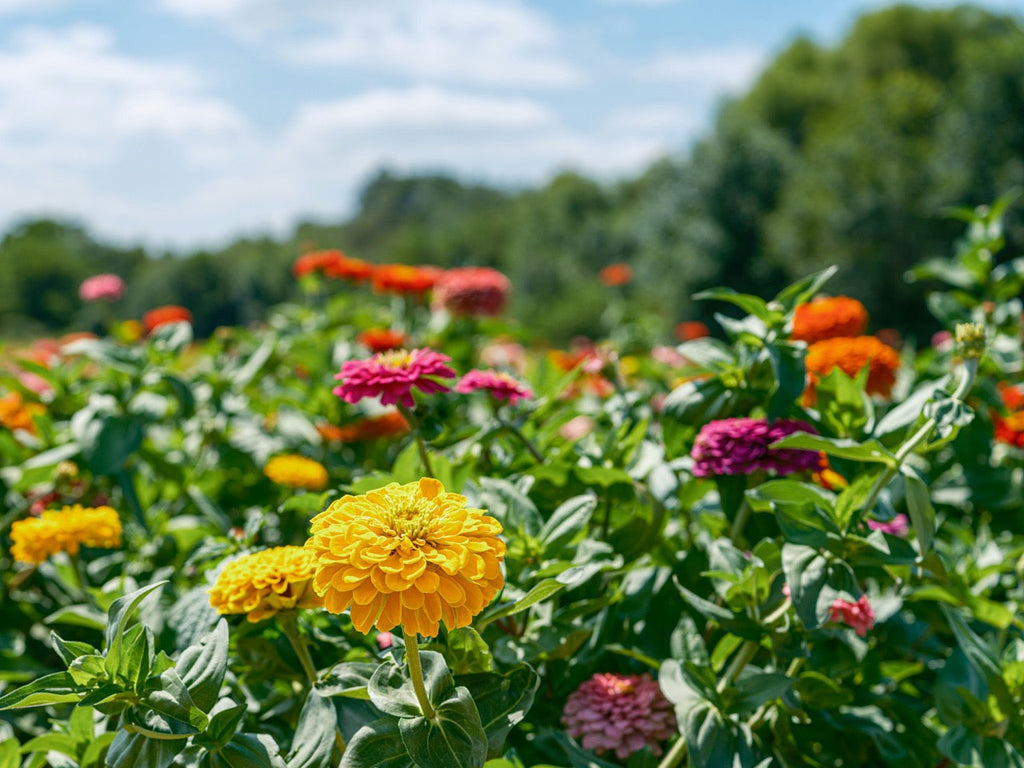
Dahlias are one of the most elegant and versatile summer plants, perfect for adding a touch of class to your garden. With their spectacular blooms in a variety of colors, dahlias have become a popular choice among gardeners of all levels.
Dahlia Varieties for Beginners
There are many varieties of dahlias, some of which are particularly suitable for beginners. Among these, "Bishop" and "Karma" dahlias are known for their ease of growth and disease resistance.
'Bishop' dahlias are prized for their dark foliage and vibrant flowers, while 'Karma' dahlias offer large, long-lasting blooms. Both are ideal for adding color and interest to your summer garden.
Care and Maintenance of Dahlias
To ensure abundant flowering, it's essential to understand dahlias' needs. These plants prefer full sun and well-drained soil.
It's important to water regularly, but avoid standing water, which can lead to root rot. A balanced fertilization during the growing season will help promote healthy, vigorous flowering.
| Activity | Period | Note |
|---|---|---|
| Plant | Spring | Make sure the soil is warm enough |
| Watering | Summer | Avoid water stagnation |
| Fertilize | During growth | Use a balanced fertilizer |
Tips for Abundant Flowering
To get the most out of your dahlia, it's a good idea to remove any faded flowers to encourage new blooms.
Additionally, providing adequate support for taller plants can help prevent damage from wind or the weight of the flowers. Proper dahlia care will reward you with lush blooms all summer long.
Dipladenia: Tropical Charm
Dipladenia, with its vibrant blooms, is a charming addition to any summer garden. This climbing plant is known for its large, trumpet-shaped blooms, which can range in color from pink to red to white.
Characteristics
Dipladenia is an evergreen plant that can grow up to 3-4 meters tall. Its leaves are glossy and deep green, creating a wonderful contrast with the colorful flowers.
Some key features of dipladenia include:
- Large, trumpet-shaped blooms
- Various colors of flowers, from pink to red and white
- Shiny, deep green leaves
- Ability to grow up to 3-4 meters in height
Growing Guide
To successfully grow dipladenia, it's essential to choose a sunny location with well-drained soil. This plant prefers warm, humid climates, making it ideal for gardens in Mediterranean regions.
Growing Tips:
- Choose a sunny location
- Use well-drained soil
- Keep the soil moist during the growing season
- Fertilize regularly to encourage flowering.
Solutions to the Most Common Problems
Dipladenia can be prone to problems such as root rot if the soil is too wet, or pests such as aphids. To address these issues, it's important to ensure the soil is well-drained and use specific pest control products.
Solutions to common problems:
- Root rot: improve soil drainage
- Pest attack: use specific insecticides
Decorative Ideas with Summer Plants
Dipladenia can be used to create a tropical atmosphere in the garden. It can be paired with other summer plants like gazania and dahlia to create a vibrant color effect.
"Summer plants like dipladenia are perfect for adding color and life to the garden during the warm season."
In conclusion, dipladenia is a charming and easy-to-grow summer plant, perfect for adding a tropical touch to your garden.
Growing Summer Plants Successfully
Growing summer plants can be a rewarding experience for beginners. Gazania, dahlia, and dipladenia are just a few easy-to-grow plants that can add color and life to your garden.
By following the practical advice and information provided in this summer plant guide , readers will be able to create a vibrant and easy-to-maintain summer garden. These beginner summer plants are ideal for starting your journey into the world of summer plants.
With a little care and attention, you can enjoy a colorful and lush garden all summer long. Use this guide as a reference to choose the right plants and care for them.
FAQ
What are the easiest summer plants for beginners to grow?
The easiest summer plants for beginners to grow include gazania, dahlia, and dipladenia. These plants are hardy and low-maintenance.
How do you care for gazania?
Gazania requires full sun exposure and regular watering. It's also important to fertilize it periodically to encourage flowering.
What are the dahlia's needs?
Dahlias require full sun exposure and regular watering. It's also important to fertilize them and support them with a support to prevent damage.
How can I use summer plants to decorate my garden?
Summer plants can be used to create unique decorative arrangements. For example, you can combine gazania, dahlia, and dipladenia to create a vibrant and colorful summer garden.
What are the most common problems when growing summer plants?
Common problems include pest infestation, fungal diseases, and lack of flowering. It's important to take preventative and curative measures to address these issues.
How can I prevent problems growing summer plants?
To prevent growing problems, it is important to follow plant care guidelines, such as regular watering and fertilizing, and take preventative measures against pests and diseases.
What tools and materials are needed to grow summer plants?
Tools and materials needed include pots, soil, fertilizer, and plant care tools, such as pruning shears.
Other news
14
Jul

12
Jan
15
Oct
07
Oct

25
Sep
Tutto Sui Fiori