How to Create a Floral Centerpiece for Special Occasions
A floral centerpiece can transform any special occasion into an unforgettable moment. Whether it's a romantic dinner, a birthday party, or a family celebration, a beautiful floral arrangement in the center of the table captures attention and creates a welcoming atmosphere. Flowers not only add color and fragrance to the table, but also contribute to an elegant and refined atmosphere. Furthermore, making a DIY centerpiece allows you to customize it to your taste and the occasion.
In this guide, we'll show you step-by-step how to create a beautiful centerpiece with fresh flowers, explaining the techniques for choosing the right colors, materials, and style.
Necessary Materials
To create an elegant and harmonious centerpiece, you will need:
- Assorted fresh flowers, chosen according to the season and occasion
- A vase or container that fits the shape of the table
- Floral sponge to keep flowers hydrated and well-positioned
- Gardening scissors for precise cutting of stems and leaves
- Waterproof adhesive tape to secure the structure
- Decorative foliage to create a natural and harmonious base

Procedure
1. Preparing the container
Choose a vase or container that suits the size of the table and the type of event. If the table is long, a rectangular container may be the best choice; for round tables, however, a cylindrical or shallow vase may be more suitable.
Cut the floral foam so it fits perfectly inside the container and soak it in water for a few minutes, until it's completely saturated. Then, secure it with tape to prevent it from moving during the arrangement.
2. Creating the green base
The green base helps give structure and depth to the centerpiece. Insert branches of foliage along the edges of the container, creating a natural, soft effect. You can use eucalyptus, ferns, ruscus, or any other decorative foliage that adds volume without overpowering the rest of the arrangement.
3. Positioning of the main flowers
Choose 3-5 larger flowers that will serve as the focal point of the arrangement, such as roses, lilies, or hydrangeas. Arrange them in the floral foam at different heights to create movement and depth.
4. Adding secondary flowers
Add smaller flowers between the main ones to fill in empty spaces and create a harmonious arrangement. It's important to balance the colors and evenly distribute the flower varieties to avoid overcrowding or empty areas.
5. Finishing with decorative elements
Complete the centerpiece by adding decorative elements like berries, dried branches, or small, delicate flowers for an extra touch of elegance. You can also place candles among the flowers for a charming effect.
Tips for Matching Colors and Styles
Chromatic Harmony
- Monochrome : Use different shades of the same color for a sleek and sophisticated look.
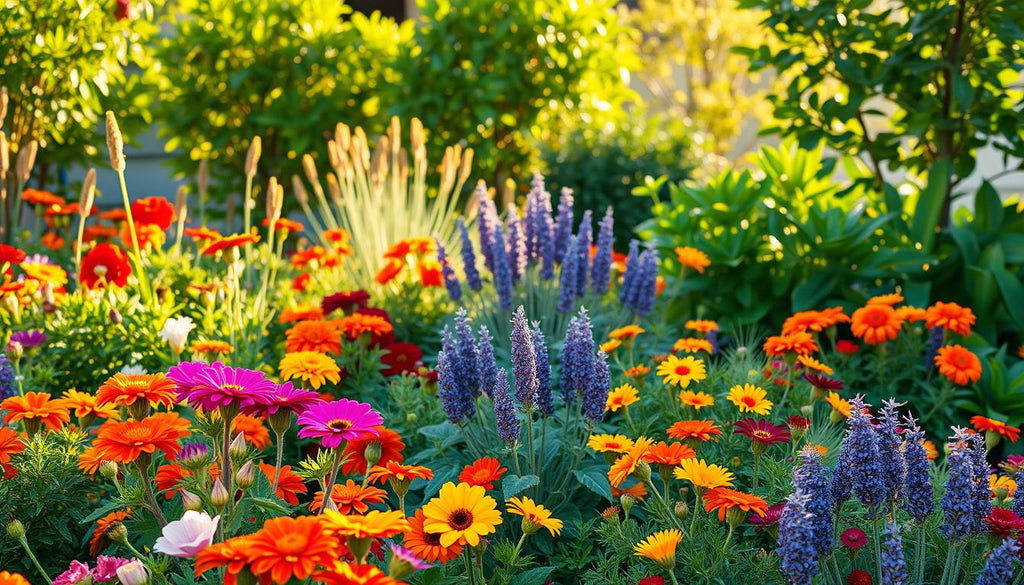
- Complementary Colors : Pair colors opposite on the color wheel for a vibrant contrast, such as purple and yellow or red and green.
- Analogous Colors : Choose colors that are adjacent on the color wheel for a harmonious effect, such as blue, purple, and pink.
Arrangement Styles
- Modern : For a contemporary style, opt for clean lines and minimalist flowers like orchids or calla lilies.
- Romantic : Create a romantic atmosphere with roses, peonies and pastel flowers in soft, voluminous arrangements.
- Rustic : Use wildflowers and unconventional containers like glass jars or baskets for a country chic look.

Final Tips
- Consider the occasion and season when choosing flowers and colors.
- Make sure the centerpiece isn't too tall so as not to hinder conversation between guests.
- Refresh the water regularly and remove faded flowers to keep the arrangement fresh longer.
When creating your floral centerpiece, remember that the key is the balance of colors, textures, and shapes. With a little practice and creativity, you can create stunning arrangements that will make any occasion special.
Other news
14
Jul

12
Jan
15
Oct
07
Oct

25
Sep
Tutto Sui Fiori